
Understanding Korean Cuisine and its Cultural Significance
Korean cuisine, rich in flavors and traditions, reflects the cultural heritage of Korea and the long-standing practices that accompany its dishes. This vibrant culinary landscape offers an intriguing blend of spicy, savory, sour, and sweet notes, making it a unique experience for food enthusiasts. When exploring options, 상봉동 한국관 provides comprehensive insights into this culinary world, combining authentic flavors with a modern dining experience.
Origin and Evolution of Korean Dishes
The roots of Korean cuisine can be traced back to ancient times, with influences from neighboring countries such as China and Japan. Traditional Korean dishes often focus on fermenting and preserving food, a practice that has evolved with the introduction of new ingredients and cooking methods. Modern Korean cuisine also embraces a global palette, integrating elements from various international cuisines while maintaining its core flavors.
Importance of Ingredients in Korean Cooking
Korean dishes typically use a wide variety of fresh ingredients, many of which are locally sourced. Staples like rice, vegetables, and meats are enhanced by the distinct flavors of garlic, ginger, sesame oil, and soy sauce. The use of fermented products such as kimchi and gochujang (Korean chili paste) is also pivotal, offering depth and character to many dishes.
Cultural Practices Surrounding Korean Meals
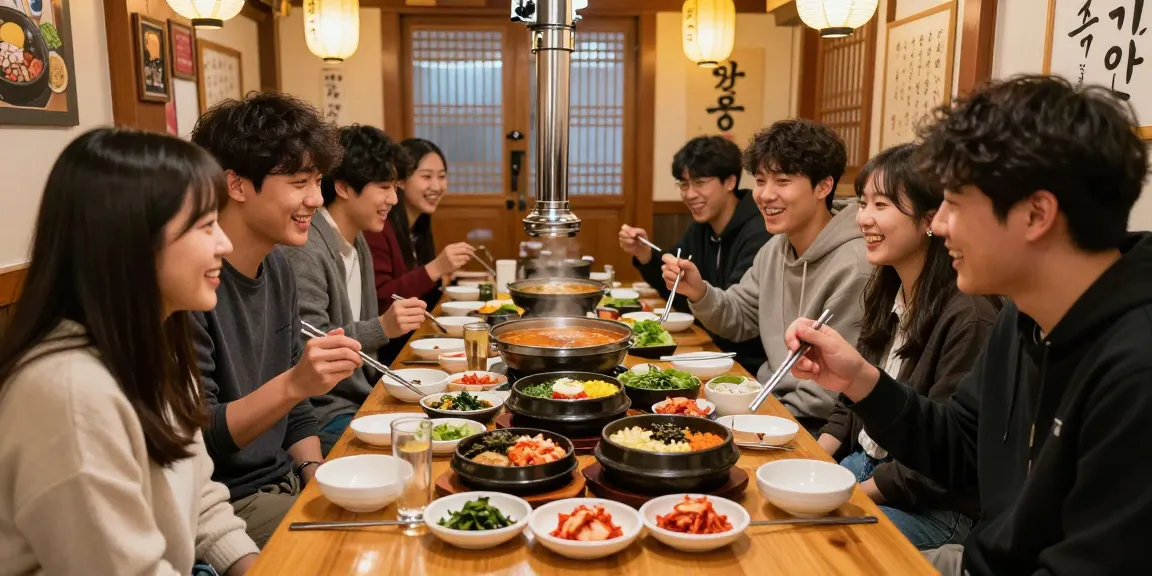
Every meal in Korea is an experience infused with cultural significance. Traditionally, meals are served family-style, promoting a sense of community and togetherness. The practice of sharing food directly from communal dishes emphasizes respect and appreciation among diners, while the use of chopsticks and specific utensils plays a role in the overall etiquette of dining.
Key Dishes to Try at 상봉동 한국관
Must-Have Appetizers and Side Dishes
No Korean meal is complete without a selection of banchan, which are small side dishes that accompany rice. Popular choices include kimchi, pickled radish, and seasoned bean sprouts. At 상봉동 한국관, expect to find an array of these delightful starters, each with its unique flavor profile that sets the tone for the meal ahead.
Main Courses That Define Korean Dining
Main courses in Korean cuisine are often centered around grilled meats, stews, and rice dishes. Dishes like bulgogi (marinated grilled beef) and bibimbap (a rice bowl topped with vegetables and meat) are classic staples. The restaurant features these favorites, allowing newcomers and seasoned diners alike to appreciate the authenticity of Korean flavors.
Signature Desserts and Beverages
To round off a meal, desserts such as bingsu (shaved ice dessert) and hotteok (sweet filled pancakes) bring a sweet touch to the dining experience. Traditional beverages like soju and makkoli (rice wine) also complement the meal, enhancing the overall enjoyment of Korean food.
Crafting the Perfect Dining Experience
Setting the Right Atmosphere at Your Table
The atmosphere plays a critical role in the dining experience at 상봉동 한국관. Thoughtful decor inspired by traditional Korean aesthetics creates an inviting environment, making it perfect for both casual meals and special occasions. The ambiance is designed to reflect the warmth of Korean hospitality.
Engaging with Korean Dining Etiquette
Understanding dining etiquette is essential for anyone looking to enjoy a meal in a Korean restaurant. Key practices include waiting for the eldest person to start eating before you dig in, lifting your bowl while eating, and using both hands when handing items to others. These customs enhance the dining experience by promoting respect and mindfulness.
Pairing Food with Traditional Korean Drinks
The pairing of food with beverages is an art in Korean dining. Traditional drinks such as soju and beer are often enjoyed with grilled meats, while sweeter drinks like sujeonggwa (cinnamon punch) pair well with desserts. Exploring various combinations can significantly elevate your dining experience.
Addressing Common Challenges in Korean Dining
Navigating Menu Choices for Newcomers
The vast array of menu options can be overwhelming for those unfamiliar with Korean cuisine. It’s advisable to start with well-known dishes like kimchi jjigae (kimchi stew) or galbi (marinated short ribs), as these are often crowd-pleasers and showcase the essence of Korean flavors.
Understanding Spice Levels and Flavor Profiles
Korean food is renowned for its spice, but not all dishes are equally spicy. It’s essential to inquire about the heat level of specific dishes. Look for milder options if sensitive to spice, or try spicy dishes in moderation to understand your taste preferences gradually.
Dealing with Dietary Restrictions and Preferences
For those with dietary restrictions, it’s crucial to communicate these needs when ordering. Many Korean dishes can be adjusted to accommodate vegetarian, vegan, or gluten-free diets. The staff at 상봉동 한국관 are typically well-versed in these considerations and can suggest suitable options.
The Future of Korean Dining in 2026
Emerging Trends in Korean Cuisine
As the culinary landscape evolves, Korean cuisine is adapting to modern tastes and trends. Expect to see more fusion dishes that blend traditional elements with international flavors, as well as an increase in plant-based options that appeal to health-conscious diners.
Sustainability Practices in Food Sourcing
With a growing emphasis on sustainability, many Korean restaurants are focusing on sourcing ingredients from local farmers and producers. This practice not only supports the community but also enhances the freshness and quality of the dishes served.
Technological Innovations in Restaurant Experience
Innovation is shaping the dining experience as technology becomes more integrated into how we eat out. From online reservations to digital menus and ordering, these advancements make dining experiences at places like 상봉동 한국관 convenient and enjoyable for all guests.
What is unique about the 상봉동 한국관 dining experience?
The unique dining experience at 상봉동 한국관 lies in its ability to balance authentic Korean flavors with a contemporary dining atmosphere. This fusion creates a memorable visit for any food lover.
How do I choose the best dishes at 상봉동 한국관?
To select the best dishes, consider starting with a combination of popular items and house specials. Don’t hesitate to ask the staff for recommendations based on your preferences.
What are some tips for enjoying my meal at a Korean restaurant?
Take your time to savor each dish, and participate in the communal meal setting. Pair your food thoughtfully with beverages, and enjoy the experience of sharing flavors with others.
Are there any cultural etiquettes I should know for dining in Korea?
Yes, learning a few dining etiquette rules, such as waiting for the eldest person to start eating and using both hands when pouring drinks, can enhance your experience and show respect for the culture.
What upcoming trends should I watch for in Korean cuisine?
Keep an eye on the incorporation of health-focused ingredients and sustainability in food sourcing, as well as innovative cooking techniques that merge traditional Korean practices with modern culinary arts.
