The Basics of Phone Gimbals
In the world of mobile videography, achieving smooth and stable footage is essential for captivating storytelling. This is where a phone gimbal comes into play. A phone gimbal is an advanced, handheld stabilizer designed to counteract the natural movements of the user, allowing for professional-grade video quality without the need for bulky camera equipment. With technology advancing rapidly, 2025 has seen significant enhancements in gimbal features, making them an indispensable tool for content creators.
What is a Phone Gimbal?
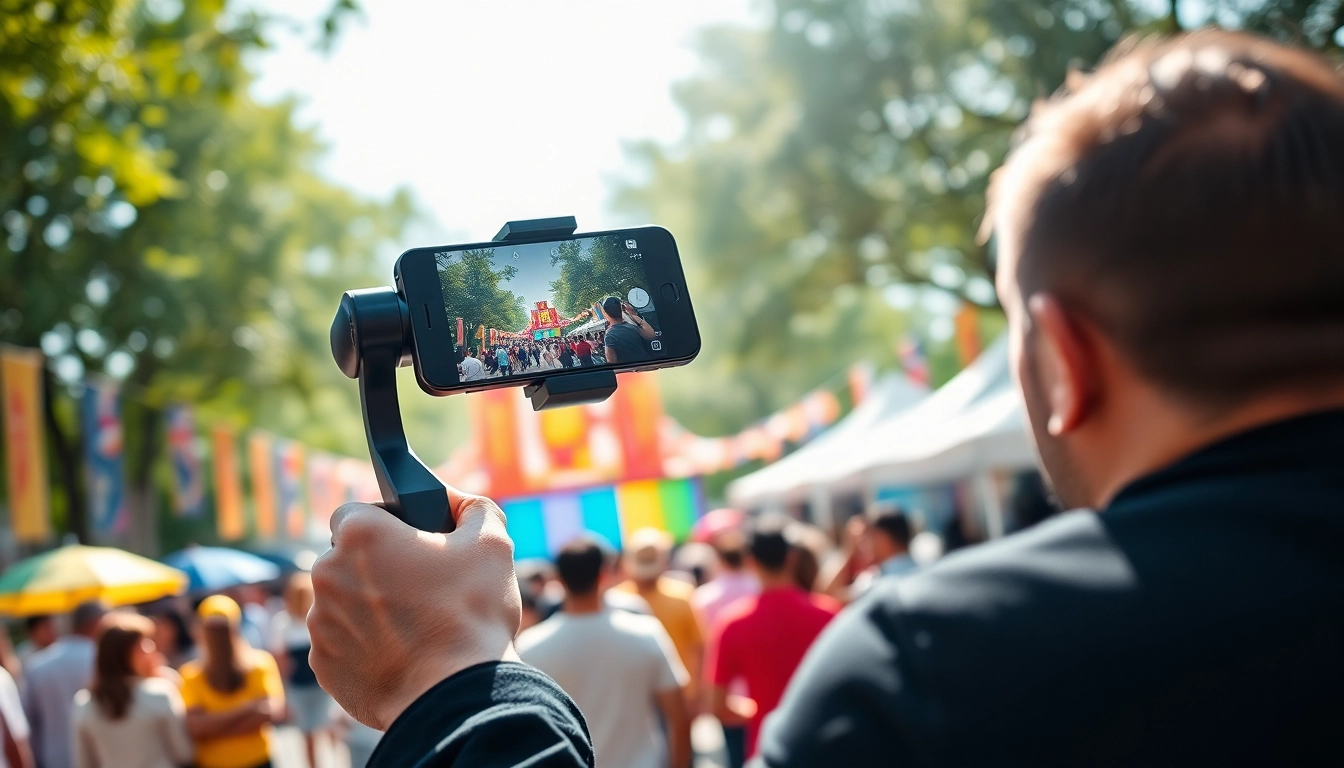
A phone gimbal is a mechanical device that stabilizes your smartphone while filming. Unlike traditional tripods or stabilizers, gimbals utilize motorized systems to keep your phone leveled and jitter-free, even during rapid movements. They are especially popular among vloggers, filmmakers, and amateur videographers who want to elevate the quality of their videos without investing in expensive DSLR equipment.
How Phone Gimbals Work for Stabilization
The effectiveness of a phone gimbal lies in its use of a three-axis stabilization system. By balancing the phone along the pitch, roll, and yaw axes, the gimbal compensates for any unintended movements. As you move, the gimbal’s sensors detect shifts in position, adjusting the motors to keep the camera steady, resulting in smooth footage even while walking or running.
Key Features to Look for in a Phone Gimbal
- Stabilization Modes: Various modes such as follow mode, lock mode, and pan-and-tilt mode help achieve different cinematic effects.
- Weight and Portability: Lightweight design enhances ease of use, particularly for on-the-go filmmaking.
- Battery Life: Longer battery life allows for extended use during shoots without interruptions.
- Smart Features: Many modern gimbals come equipped with AI tracking, enhancing stabilization and enabling creative shooting options.
- Compatibility: Ensure the gimbal is compatible with your specific smartphone model for optimal performance.
Benefits of Using a Phone Gimbal
Enhancing Video Quality and Stability
The primary benefit of using a phone gimbal is the significant improvement in video quality. By minimizing shaky footage, gimbals allow for smooth transitions and more professional-looking results. This enhancement is particularly important when documenting events or creating promotional content.
Improving Your Filming Techniques
With a gimbal, users can experiment with various filming techniques that were previously difficult to achieve. Whether it’s capturing dynamic movement or executing intricate camera angles, a gimbal provides the stability needed to master these techniques effectively.
Portability and Ease of Use for Mobile Creators
One of the strongest appeals of phone gimbals is their portability. These devices are often compact and lightweight, making them easy to carry in a backpack or purse. This convenience allows creators to shoot quickly without the need for extensive setup, making gimbals ideal for spontaneous filming situations.
Choosing the Right Phone Gimbal for Your Needs
Top Brands and Models for 2025
As of 2025, several brands dominate the phone gimbal market, each offering unique features:
- DJI: Known for its reliable products, DJI’s Osmo Mobile series offers a robust combination of stabilization features and user-friendly interfaces.
- Hohem: The Hohem iSteady series is renowned for affordability and intuitive controls, making it a popular choice among entry-level filmmakers.
- Insta360: This brand specializes in gimbals with advanced tracking capabilities and seamless integration with their 360-degree cameras, perfect for immersive storytelling.
Factors to Consider: Budget, Features, and Compatibility
When selecting a gimbal, consider your budget, the specific features that would enhance your workflow, and ensure compatibility with your smartphone. High-end models often come with added functionalities, such as built-in microphones and advanced app integration, which might justify a higher price point for serious creators.
User Reviews and Recommendations
Reading user reviews can provide valuable insights into the performance and reliability of different gimbals. Many users praise models that offer excellent battery life and ease of setup while noting any drawbacks related to weight or compatibility issues. For instance, the DJI Osmo Mobile 7P has been frequently highlighted for its superior stabilization and user-friendly app features.
Best Practices for Using Phone Gimbals
Setting Up Your Gimbal for Optimal Performance
Before hitting record, it’s essential to calibrate your gimbal properly. Ensure your phone is securely mounted and balanced to prevent strain on the motors. Most gimbals come with calibration tutorials or apps, which can guide you through the setup process.
Filming Techniques: Angles, Movements, and Shots
Experiment with different camera angles and movements to add variety to your footage. Techniques like panning, tilting, and tracking shots can make your videos more dynamic. Understanding how to transition smoothly between these movements is key to creating compelling stories.
Common Mistakes to Avoid When Using a Gimbal
- Neglecting Calibration: Failing to calibrate your gimbal can lead to shaky footage.
- Overloading: Exceeding the weight limit of your gimbal can cause it to malfunction or produce poor stabilization.
- Ignoring Battery Life: Always check your battery before starting a shoot to avoid interruptions.
Future Trends in Phone Gimbal Technology
AI and Smart Tracking Features
The integration of AI technology in gimbals has transformed the way videographers capture footage. Smart tracking features allow gimbals to follow subjects automatically, making it easier to create dynamic shots without requiring an operator. These capabilities are expected to advance even further, bringing innovative filming possibilities.
Integration with Other Filmmaking Tools
Future gimbals will likely see enhanced integration with other filmmaking tools, such as drones and lighting equipment. This synergy will provide creators with versatile options for shooting high-quality content without the complex setup traditionally required.
Predictions for the Future of Mobile Videography
As mobile videography continues to evolve, the demand for user-friendly, effective stabilization tools will only grow. Gimbals that offer augmented reality (AR) capabilities and enhanced connectivity with mobile apps will dominate the market, helping creators tell their stories in unprecedented ways.