Understanding Vape & E-Liquids: Basics and Types
What are Vape & E-Liquids?
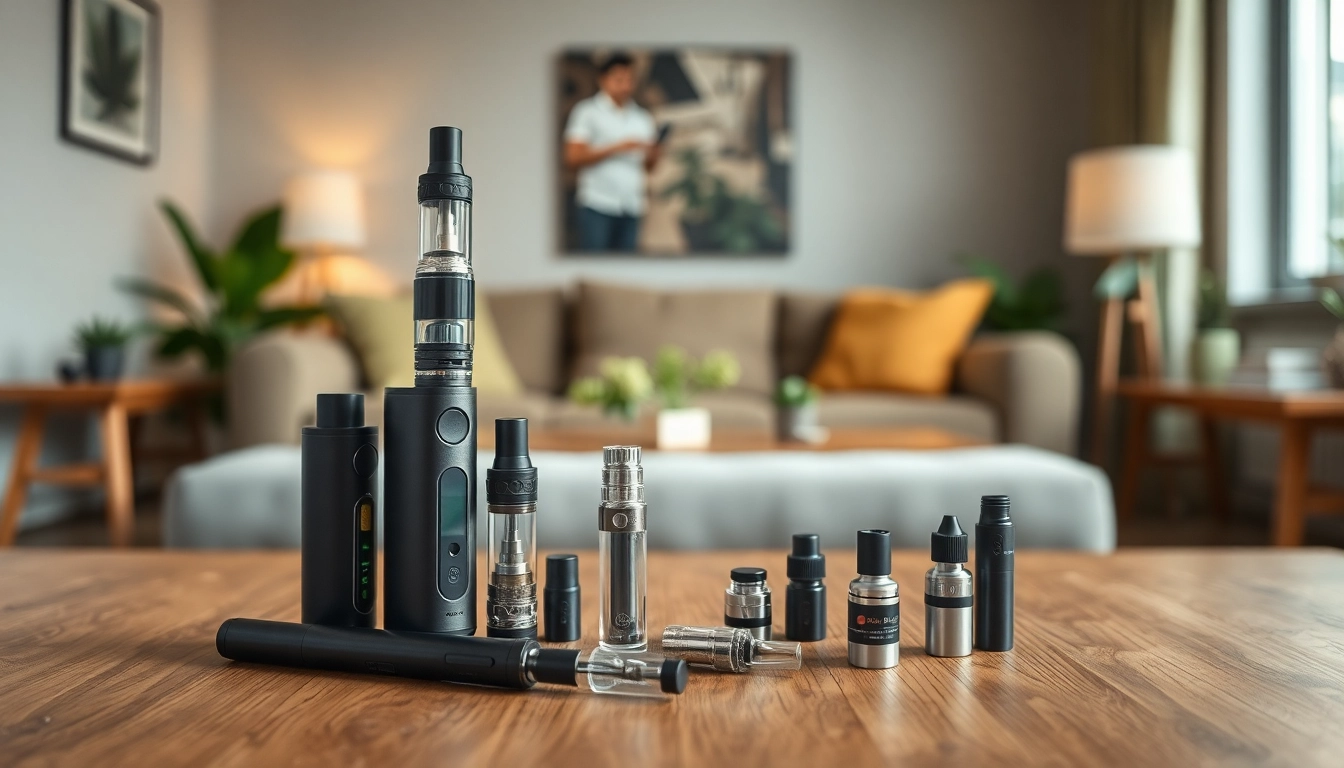
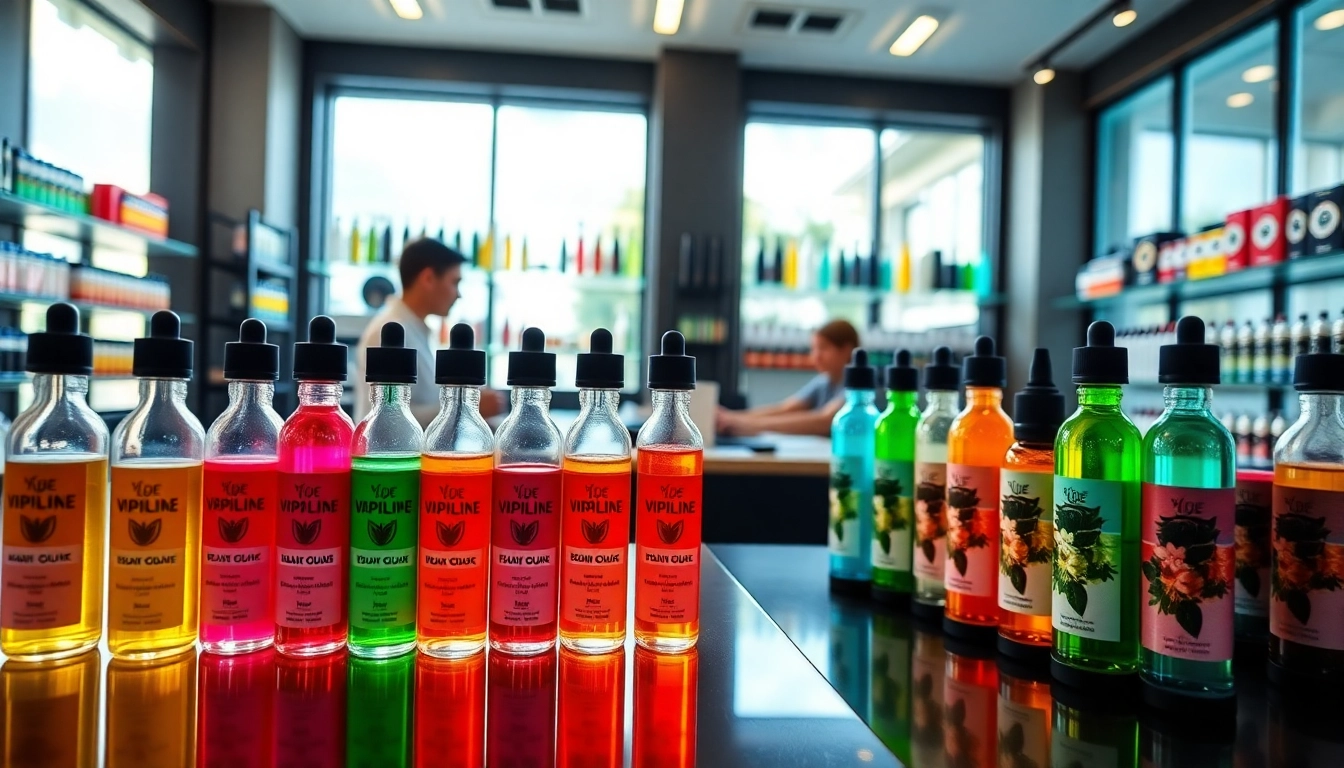
Vape & E-Liquids, commonly known as vape juice or e-juice, are liquids specifically designed for use in electronic cigarettes and vaporizers. These liquids are heated to create a vapor that users inhale, offering a smoking-like experience without the combustion of tobacco products. Vape & E-Liquids come in various flavors, allowing for a customizable experience that appeals to a wide range of users. The primary appeal of these products lies in their ability to deliver nicotine and flavor while avoiding the harmful byproducts associated with traditional smoking.
Listeners should recognize that while many perceive vape products as healthier alternatives to smoking, it is essential to understand their components fully. For a more profound insight into the types and selection of these products, you can explore Vape & E-Liquids.
Main Types of Vape & E-Liquids
Vape & E-Liquids can be segmented based on several factors, including their origin, nicotine content, and flavor profiles. Here are the main types:
- Freebase Nicotine Liquids: These are standard nicotine-based e-liquids that allow for high nicotine concentrations. They are popular for their smooth throat hit at lower levels of nicotine, providing a satisfying alternative for traditional smokers.
- Nicotine Salts: These liquids utilize a different form of nicotine, allowing for higher concentrations without the harshness usually associated with high nicotine levels. They are ideal for users seeking a quick nicotine fix.
- Flavor Concentrates: These are designed specifically for those who prefer to mix their vape juice at home. Users can combine various concentrates to create unique flavors tailored to their tastes.
- Zero Nicotine E-Liquids: Designed for users who enjoy vaping without nicotine, these liquids focus solely on flavor. They are an excellent option for those transitioning away from nicotine.
Key Ingredients in E-Liquids
The composition of Vape & E-Liquids is crucial for their performance, safety, and taste. The primary ingredients include:
- Propylene Glycol (PG): This is a colorless and odorless liquid that is commonly used as a base for e-liquids. It has a low viscosity and provides a good throat hit, closely mimicking the feel of traditional tobacco smoke.
- Vegetable Glycerin (VG): Opposite to PG, VG is thicker and sweeter. It produces larger vapor clouds and provides a smoother flavor experience. Many users prefer e-liquids with high VG for a satisfying vaping experience.
- Flavorings: These are food-grade additives that provide the various flavors users enjoy. The quality and authenticity of flavorings can significantly affect the overall vaping experience.
- Nicotine: As a potent stimulant, nicotine is often included in various strengths to cater to users’ preferences and needs. Understanding nicotine’s source and its implications is essential for safe consumption.
Choosing the Right Flavor Profile
Fruity vs. Dessert Flavors
When it comes to selecting a flavor profile for Vape & E-Liquids, users often gravitate toward either fruity or dessert flavors. Fruity flavors typically offer a more refreshing and invigorating experience, ranging from common fruits like strawberry and watermelon to exotic blends like dragon fruit and acai.
On the other hand, dessert flavors cater to those with a sweet tooth, featuring creamy custards, rich chocolates, and cake-inspired blends. The choice between fruity and dessert flavors often comes down to personal preference, but there are general considerations that can guide new users.
Fruity flavors are generally more suitable for daytime vaping, offering a crisp and energizing sensation. In contrast, dessert flavors are ideal for after meals or during relaxation, providing a comforting end to a long day.
The Rise of Tobacco Flavors
Tobacco flavors have seen a resurgence in popularity, particularly among users transitioning from traditional smoking to vaping. These flavors aim to emulate the rich, robust essence of various tobacco types, catering to former smokers who seek familiar tastes in their e-liquids. Options include classic tobacco, smooth blends, and even flavored variations that add nuances like vanilla, caramel, or menthol.
Ultimately, the growth in tobacco-flavored e-liquids is a reaction to the demographics of vaping. Many adopters are adult smokers who desire a reliable taste profile that caters to their past smoking habits. By providing options that mirror traditional tobacco flavors, manufacturers are able to assist users in their transition to vaping.
How to Experiment with Flavor Combinations
For enthusiasts eager to personalize their vaping experience, experimenting with flavor combinations can unlock an entirely new level of enjoyment. Many manufacturers offer multi-flavor options or robust flavor profiles that can be mixed and matched for custom blends.
To start, users can begin combining complementary flavors, such as fruity blends with a hint of cream or tobacco mixes enhanced with vanilla. It’s important to note that mixing flavors is an art that requires balance: the goal should be to create a synergy that enhances each element rather than drowning one out.
Vapers can also replicate popular mixtures they enjoy by carefully analyzing their rich profiles, deconstructing elements, and attempting to recreate their favorites at home. This approach leads to a personalized vaping experience while expanding knowledge about flavor dynamics.
Nicotine Strength Considerations
Understanding Nicotine Levels
One of the most essential factors in selecting Vape & E-Liquids is understanding nicotine strength. The strength of nicotine in e-liquids varies significantly, typically measured in milligrams per milliliter (mg/ml). Common strengths include 0mg, 3mg, 6mg, 12mg, and 18mg, reflecting a range from no nicotine to standard levels familiar to traditional cigarette smokers.
New users should consider their previous smoking experience when selecting nicotine strengths. If coming from heavy smoking habits, opting for higher nicotine levels may be advisable to satisfy cravings effectively. Conversely, those with lighter smoking habits might fare better with lower levels.
Choosing the Right Strength for You
Selecting the appropriate nicotine strength involves a bit of trial and error. For new users, starting at a medium level (around 6mg) is often recommended. From here, users can adjust their strength based on how satisfying the experience feels.
It’s essential to pay attention to how your body reacts to different levels. Signs of excessive intake include headaches, dizziness, and nausea. If these occur, switching to a lower strength can help alleviate discomfort while still providing an enjoyable vaping experience.
Transitioning Between Strength Levels
Transitioning between nicotine levels in Vape & E-Liquids can be a significant factor for those looking to reduce their dependence. Users often start at higher strengths to quell cravings and gradually transition down as they become accustomed to vaping.
A practical approach involves decreasing the nicotine level by increments of no more than 3mg at a time. Users should also ensure they remain vigilant about their cravings; if increased desire for nicotine occurs, it might be a sign that they should remain at a particular level for longer before decreasing again.
Maintenance and Storing Tips for Vape & E-Liquids
Proper Storage Techniques
Storing Vape & E-Liquids correctly is vital in maintaining their integrity and flavor. Ideally, e-liquids should be kept in a cool, dark place, away from direct sunlight, which can degrade the quality over time. Humidity control is equally important; excessive moisture can create a breeding ground for bacteria.
Users should also ensure that containers are tightly sealed to prevent evaporation and contamination. Plastic bottles might warp or degrade over time, leading to leakage or alteration of flavor. Glass bottles are often more durable and resistant to these changes.
How to Tell When E-Liquids Go Bad
Vape & E-Liquids can degrade or spoil over time. Key indicators of a bad e-liquid include:
- Change in Color: A significant darkening of the liquid may signal oxidation or degradation of flavor.
- Unusual Smell: If the scent of the e-liquid has noticeably changed and smells harsh or unpleasant, it’s best to discard it.
- Separation: When flavors settle or separate within the bottle, it could mean that the constituents have deteriorated or are expired.
Caring for Your Vape Devices
Maintenance of vaping devices is equally essential to ensure optimal performance and longevity. Regular cleaning of vape components prevents residue buildup, affecting taste and device functionality. Users should disassemble their devices based on the manufacturer’s recommendations and clean individual parts with warm water or specialized cleaning solutions.
Additionally, replacing coils and tanks periodically can enhance vaping quality. Regular checks for leaks or damages in seals are also crucial, as even small issues can lead to significant loss in performance.
Safety Concerns and Best Practices
Understanding Vaping Regulations
As the landscape of vaping continues to evolve, understanding the growing regulatory framework is essential. Various regions have established laws governing the sale, marketing, and distribution of vape products. Compliance with these regulations promotes consumer safety and responsible usage.
Vapers should stay updated on local laws, especially regarding the availability of flavored products and the age limit for purchasing nicotine-containing materials. These regulations directly affect consumers’ rights and options, making adherence essential for any person utilizing these products.
Identifying Quality E-Liquids
With numerous manufacturers on the market, distinguishing quality from subpar products can significantly impact the vaping experience. Essential tips for identifying quality E-Liquids include:
- Check for Lab Testing: Reputable brands often conduct third-party lab tests to verify the safety and quality of their products.
- Review Ingredient Lists: Quality E-Liquids should be transparent about their ingredients, avoiding harmful additives and emphasizing food-grade components.
- Seek Customer Reviews: Authentic feedback from fellow users can provide insight into the performance and flavor reliability of E-Liquids.
Ensuring Safe Usage of Vape Products
Adopting best practices for the safe use of Vape & E-Liquids is crucial. Always read the instructions provided with vape devices and e-liquids to avoid misuse. Additionally, consider monitoring your nicotine intake to prevent overconsumption.
Additionally, of utmost importance is ensuring products are kept securely out of reach of children and pets and that all used products are disposed of responsibly. This proactive approach promotes a safer environment while enjoying the vaping experience.