
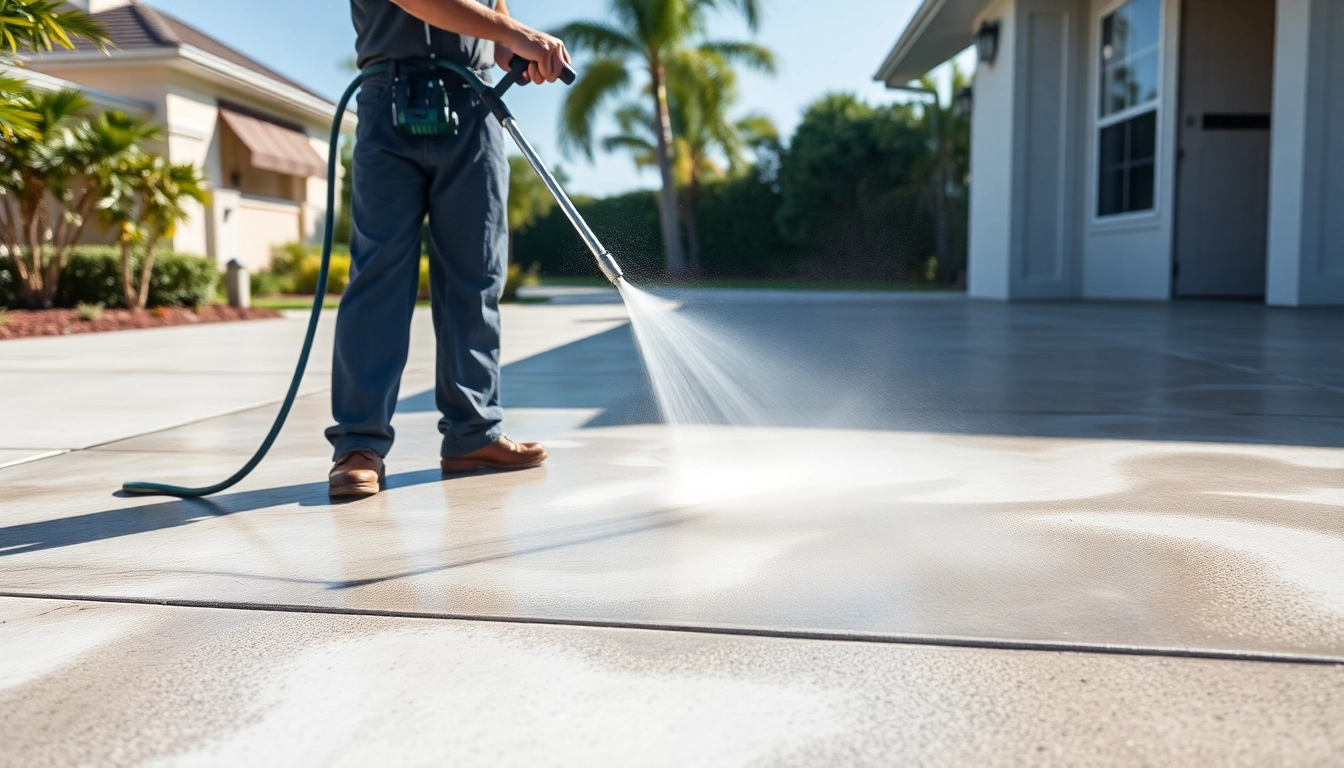
Understanding Concrete Cleaning Basics
Concrete surfaces are integral to both residential and commercial properties, providing not just functionality but also aesthetic value. Over time, these surfaces accumulate dirt, stains, and other debris, detracting from their appearance and longevity. Effective concrete cleaning addresses these issues, ensuring that concrete remains in optimal condition and looks inviting. In this article, we will explore the fundamentals of concrete cleaning, the various types of concrete surfaces, and the importance of regular maintenance.
What is Concrete Cleaning?
Concrete cleaning refers to the process of removing dirt, grime, stains, and other contaminants from concrete surfaces using various methods and cleaning solutions. This task is essential to restore the surface’s original color and texture while preventing damage from built-up substances like oil, mold, and mildew. The cleaning methods applied can vary based on the type of surface, the severity of staining, and the desired outcome.
Common Types of Concrete Surfaces
Concrete is used widely in many applications, contributing to its diverse range of surfaces, including:
- Driveways: Often the first impression of a home, driveways require regular cleaning to maintain curb appeal.
- Patios: Outdoor patios are exposed to elements and require seasonal cleaning to prevent algae and mold growth.
- Sidewalks: High foot traffic areas that can accumulate dirt, stains, and gum.
- Commercial Floors: These may include warehouses or retail spaces that need a professional clean to maintain a welcoming environment.
Importance of Regular Maintenance
Regular concrete cleaning is vital for several reasons:
- Longevity: Prevents the degradation of the concrete surface, extending its life.
- Aesthetic Appeal: Keeps surfaces looking fresh and inviting, enhancing property value.
- Safety: Reduces the risk of slip-and-fall accidents by eliminating mold and mildew.
- Cost-Effectiveness: Prevents costly repairs or replacements due to neglect.
Choosing the Right Methods for Concrete Cleaning
Choosing the appropriate cleaning method is crucial to achieving the best results without damaging the surfaces. The two primary methods include pressure washing and soft washing, each with its specific uses, advantages, and considerations.
Pressure Washing vs. Soft Washing
Pressure washing utilizes high-pressure water to remove stains, dirt, and grime from concrete surfaces. It’s effective for tough stains and is often used on surfaces with heavy dirt accumulation. On the other hand, soft washing uses low-pressure water combined with specialized cleaning solutions to safely clean surfaces that could be damaged by high pressure. For delicate areas, such as painted surfaces or those with intricate designs, soft washing is the safer option.
Eco-Friendly Cleaning Solutions
Eco-friendly cleaning is gaining traction due to increased environmental awareness. Many companies now offer biodegradable cleaning agents that are safe for plants, animals, and water sources. These solutions effectively tackle stains while minimizing ecological impact—a vital aspect for many homeowners and businesses today.
DIY vs. Professional Services
While many individuals attempt to clean concrete surfaces on their own, hiring professional services can ensure a thorough job and better results. Professionals have access to specialized equipment, experience in handling different surfaces, and the knowledge of which cleaning agents are most effective and safe for specific applications. DIY might be cost-effective initially, but neglecting proper techniques can lead to costly repairs later.
Challenges in Concrete Cleaning
Concrete cleaning is not without its challenges. Understanding these obstacles can help in preparing and executing effective cleaning strategies.
Addressing Stains and Grime
Concrete can be stained by various substances, including oil, rust, and organic matter like leaves and dirt. Different stains require different approaches; for instance, oil stains might necessitate a degreaser, while rust might need an acid-based solution. Identifying the type of stain is crucial for effective cleaning.
Weather Impacts on Cleaning Effectiveness
The effectiveness of concrete cleaning can be influenced by weather conditions. Rain or excessive humidity can hinder the drying process and affect the application of cleaning solutions. It’s advisable to plan cleaning during dry, mild weather for optimal results.
Safety Considerations During Cleaning
Safety should always be prioritized during the cleaning process. Using high-pressure systems can pose risks if not handled properly. Protective gear such as gloves, masks, and goggles should be worn, and care should be taken to ensure passersby are safe from debris or slippery surfaces during and after cleaning.
Best Practices for Effective Concrete Cleaning
To ensure efficient and safe concrete cleaning, following best practices can make a significant difference in results.
Step-by-Step Cleaning Process
- Assess the Surface: Inspect for cracks or damage before starting.
- Choose the Right Method: Decide between pressure washing and soft washing based on the surface condition.
- Pre-Treat Stains: Apply appropriate cleaning solutions as needed.
- Clean: Using the chosen method, clean the surface thoroughly.
- Rinse: Ensure all cleaning solutions are rinsed away to avoid residue.
- Seal (if necessary): Consider sealing the concrete to protect against future stains.
Preventative Measures for Longevity
Incorporating preventative measures can help maintain concrete surfaces longer. Regularly sweeping away debris, using mats in high-traffic areas, and applying sealants can significantly enhance durability and appearance.
Post-Cleaning Maintenance Tips
After cleaning, maintaining concrete surfaces is essential for longevity. Regular inspections for cracks and wear, immediate attention to spills, and periodic professional cleaning can help keep surfaces looking their best and prevent deterioration.
Future Trends in Concrete Cleaning for 2025
The concrete cleaning industry is evolving rapidly, driven by advancements in technology and changing consumer preferences. Below are some trends to watch for in 2025.
Emerging Technologies in Cleaning
Technology continues to play a pivotal role in the evolution of concrete cleaning. Innovations such as robotic cleaners and advanced chemical formulations are making it possible to clean effectively while minimizing damage to the surface and surrounding environment.
Shifts in Consumer Preferences
Consumers are becoming increasingly aware of environmental impacts, leading to a rise in demand for green cleaning solutions. Businesses that prioritize eco-friendly practices are likely to gain a competitive edge as sustainability becomes more important to customers.
Predicted Industry Standards and Regulations
With the focus on environmental sustainability, stricter regulations governing cleaning agents and methods are anticipated. Companies will need to adapt to comply with these standards, ensuring that their practices are not only effective but also environmentally sound.




Leave a Reply