
What is CBD and How Does It Work?
The Basics of CBD
Cannabidiol, commonly referred to as CBD, is a chemical compound that belongs to a class of substances known as cannabinoids. These compounds are naturally found in the cannabis plant, and they interact with cannabinoid receptors in the body's endocannabinoid system (ECS). Unlike its more famous counterpart, tetrahydrocannabinol (THC), CBD is non-psychoactive, meaning it does not produce the "high" typically associated with marijuana use. This unique attribute has led to a significant rise in its popularity for therapeutic purposes across various communities.
CBD vs. THC: Understanding the Differences
While both CBD and THC are cannabinoids, their effects on the body are different. THC binds directly with the CB1 receptors in the brain, producing psychoactive effects, which can impair motor skills and cognition. In contrast, CBD has a more complex interaction with the ECS. It does not bind directly to CB1 receptors but may enhance the body’s own cannabinoid levels by inhibiting the enzymes that break them down. This interaction suggests potential for a broader range of therapeutic applications without the high. For individuals seeking relief from symptoms but wishing to avoid the psychoactive effects of THC, CBD presents a compelling alternative.
How CBD Interacts with the Body
CBD enters the body and interacts with the endocannabinoid system, which is involved in regulating various physiological processes, including pain perception, mood, appetite, and immune response. The ECS is made up of a network of receptors, enzymes, and endocannabinoids produced by the body. CBD's modulatory effects can lead to a normalization of bodily functions. Research suggests that CBD may assist in maintaining homeostasis, which is crucial for overall health.
Health Benefits of CBD
Common Therapeutic Uses of CBD
One of the most researched benefits of CBD is its potential to reduce anxiety and depression. Many studies have indicated that CBD may help decrease anxiety levels and improve mood without the sedation often caused by traditional anxiety medications. Furthermore, CBD is being explored for its neuroprotective properties, which could benefit those with conditions such as epilepsy and multiple sclerosis.
Potential Health Conditions CBD May Help
CBD has been associated with a growing list of potential health benefits. It may aid in alleviating symptoms related to:
- Anxiety and Depression: Helps with emotional well-being and alleviating stress.
- Pain and Inflammation: Effective in managing chronic pain from conditions such as arthritis.
- Neurological Disorders: Exhibits promise in the treatment of epilepsy and neurodegenerative diseases.
- Sleep Disorders: May enhance sleep quality and aid in treating insomnia.
The Science Behind CBD Benefits
The therapeutic potential of CBD is backed by a growing body of scientific literature. Research has shown its efficacy in preclinical studies and clinical trials for various conditions. For instance, numerous studies have highlighted its anti-inflammatory effects, which could provide relief for patients with chronic pain due to inflammation. Moreover, ongoing research aims to uncover the mechanisms through which CBD acts, focusing on its impact on neurotransmitter systems and signaling pathways in the brain.
How to Use CBD: Forms and Dosages
Different Types of CBD Products Available
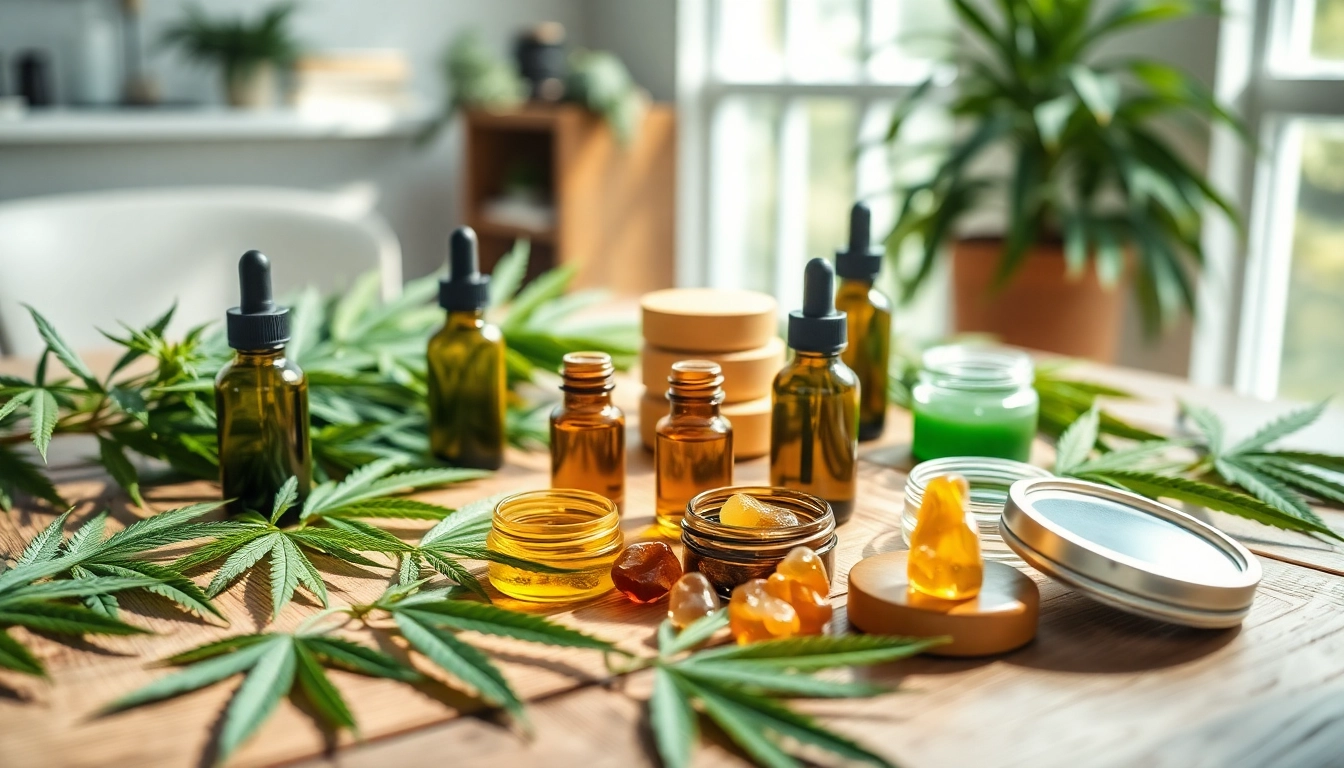
CBD is offered in various forms, catering to different preferences and therapeutic needs:
- Oils and Tinctures: These concentrated extracts can be taken sublingually for rapid absorption.
- Capsules: Easy to dose, capsules provide a consistent amount of CBD in each serving.
- Edibles: Gummy bears and other treats offer a tasty alternative for those who dislike the taste of oil.
- Topicals: Creams and balms allow local application for targeted relief.
Recommended Dosages for CBD Consumption
Determining the correct dosage of CBD varies by individual, depending on factors such as body weight, metabolism, the severity of the condition being treated, and individual body chemistry. While there is no universally accepted dosage, many experts recommend starting with a low dose and gradually increasing until the desired effects are achieved. For general wellness, a common starting dose may range from 10 to 15 mg of CBD per day, while those using it for specific conditions might require higher amounts.
Methods of Consumption: Find What Works for You
Choosing the right method of consumption can enhance the effectiveness of CBD for specific needs. For instance, if immediate relief is required, oils or tinctures may be ideal due to their fast absorption rates. Conversely, if ease of use is a priority, capsules or edibles could be preferred. It’s essential to consider personal lifestyle and preferences when selecting a method of consumption.
Potential Side Effects and Risks of CBD
Understanding the Safety Profile of CBD
CBD is generally well-tolerated, but understanding its safety profile is critical. Research indicates that side effects may occur, particularly when taken in higher doses or when interacting with other medications. Notably, side effects are often mild and can include fatigue, stomach upset, or changes in appetite and weight.
Common Side Effects of CBD Use
While CBD is considered safe for most individuals, common side effects may include:
- Dry mouth
- Dizziness
- Fatigue
- Changes in appetite or weight
When to Avoid Using CBD
Certain individuals should exercise caution when considering CBD. Those who are pregnant, breastfeeding, or taking specific medications (e.g., blood thinners) should consult healthcare professionals before starting CBD. Additionally, immunocompromised individuals or those with specific health issues should also seek medical advice before use.
Navigating CBD Regulations and Legal Status
Current Laws Surrounding CBD in the US
The legal status of CBD varies across states in the U.S. Following the 2018 Farm Bill, hemp-derived CBD with less than 0.3% THC was made federally legal, yet specific regulations can differ by state. Consumers must be aware of local laws regarding CBD use and purchase.
How to Ensure Quality and Safety in CBD Products
To ensure the safety and efficacy of CBD products, consumers should look for those that provide third-party lab testing results. This guarantees transparency regarding the contents and potency of the products and ensures that they are free from harmful contaminants. Additionally, choosing products made from organic hemp is advisable to avoid exposure to pesticides and harmful chemicals.
The Future of CBD Legislation and Market Trends
As public interest in CBD continues to grow, the landscape of CBD legislation is likely to evolve. Increased consumer demand may lead to more rigorous regulations around production, labeling, and marketing standards to ensure consumer safety. Moreover, the potential for continued research may uncover new therapeutic applications, expanding the market’s scope and reinforcing CBD’s place in wellness.