Understanding the 10kW Hybrid Solar System
As energy demands continue to rise and concerns about climate change become more pressing, many homeowners are seeking sustainable, cost-effective energy solutions. One highly efficient option is the 10kW hybrid solar system, which combines solar power generation with battery storage and grid interaction. This technology not only helps in reducing electricity bills but also enhances energy independence, allowing households to capitalize on renewable energy.
What is a 10kW Hybrid Solar System?
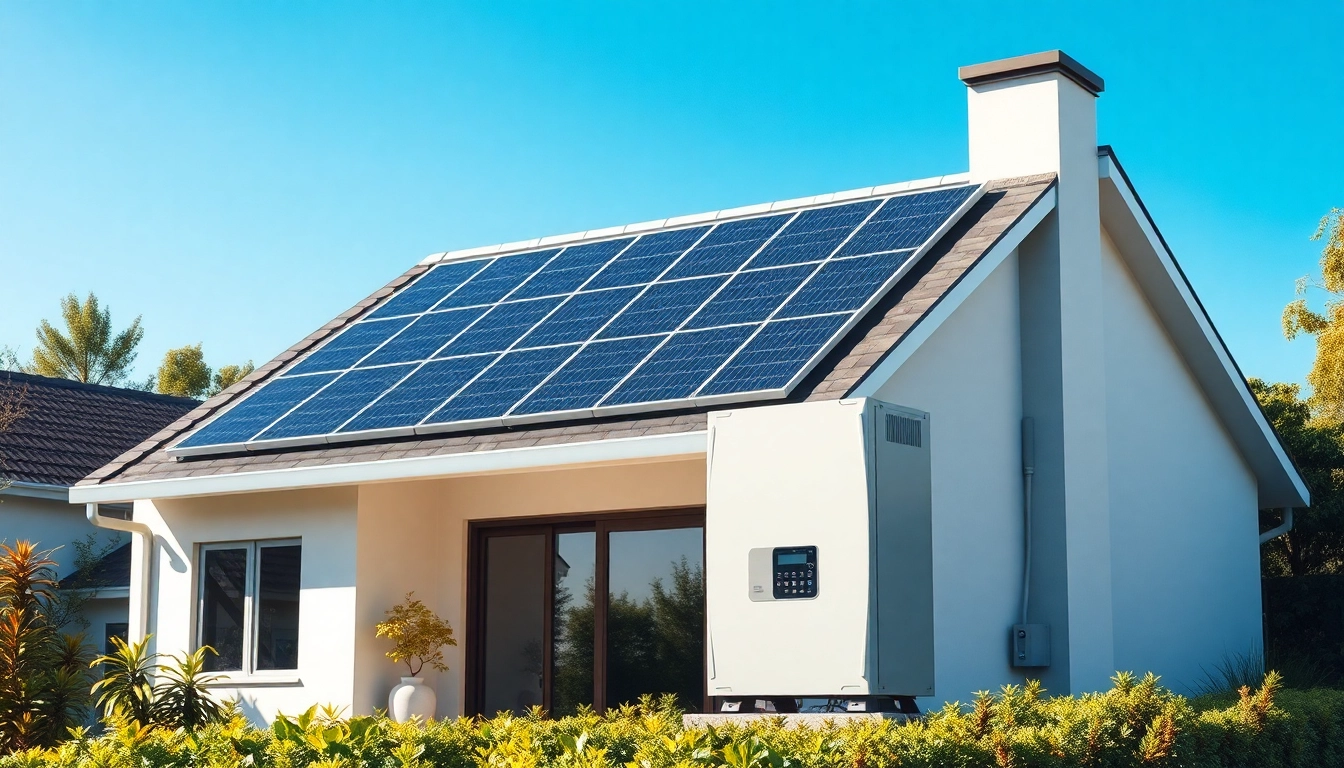
A 10kW hybrid solar system is a setup that incorporates solar panels, an inverter, battery storage, and various other components to optimize energy usage. This system allows homeowners to generate electricity from sunlight, store excess energy for later use, and even draw power from the grid when necessary. This hybrid approach ensures reliable power supply, particularly during nighttime or cloudy days when solar generation diminishes.
Key Components and Their Functions
The core components of a 10kW hybrid solar system include:
- Solar Panels: These are the primary energy converters that capture sunlight and convert it into electricity. High-efficiency panels, often made from monocrystalline silicon, can maximize energy output.
- Hybrid Inverter: This device converts the direct current (DC) produced by solar panels into alternating current (AC), which is used by home appliances. Additionally, it manages the energy flow between the solar panels, batteries, and the grid.
- Battery Storage: Lithium batteries store excess energy generated during the day, providing power during non-sunlight hours and ensuring energy availability during outages.
- Mounting Systems: Efficient installation is critical for maximizing solar exposure. The mounting hardware secures panels at optimal angles for sunlight absorption.
- Monitoring System: Many modern systems include monitoring software or apps that allow homeowners to track energy production, storage levels, and system health in real-time.
Advantages of Hybrid Systems Over Traditional Methods
Hybrid solar systems offer numerous advantages compared to traditional solar setups:
- Energy Independence: Homeowners can rely less on utility companies, reducing their vulnerability to rising electricity prices.
- Cost Efficiency: With battery storage, homeowners can avoid peak energy costs by using stored electricity during high-demand periods. This leads to significant savings over time.
- Environmental Impact: By harnessing renewable energy, these systems significantly decrease carbon footprints and contribute to a healthier planet.
- Reliable Power Supply: The combination of solar energy and battery storage ensures a continuous power supply, even during outages.
Core Components and Configuration
Detailed Overview of Core Components
Understanding each component's function is crucial for potential buyers or installers. Here’s a deeper look at each part:
- Solar Panels: The choice of panels can significantly influence the system's performance. For example, selecting high-quality, high-efficiency panels such as the JKM580N-72HL4-V can yield up to 50 kWh of energy generation under optimal conditions. These panels are designed to perform well even in less-than-ideal sunlight.
- Inverter: The AF8K-TH hybrid inverter not only facilitates energy conversion but also manages battery charging and discharging, ensuring the batteries operate at optimal levels while maintaining efficient energy use.
- Batteries: The 21.7088 kWh lithium battery used in this system provides robust storage, allowing it to cater to essential household appliances and charging electric vehicles, ensuring energy availability around the clock.
Optimal Configuration for Maximum Efficiency
To achieve the best results, homeowners should ensure that their 10kW hybrid solar system is optimally configured:
- Install solar panels facing south to maximize sun exposure throughout the day.
- Utilize high-quality mounting systems and installation practices to avoid any shading.
- Ensure proper inverter sizing to match solar panel output and battery capacity, facilitating efficient energy management.
Installation Best Practices for Homeowners
Proper installation is vital to the performance of a 10kW hybrid solar system. Key practices include:
- Engaging certified professionals with experience in solar installations.
- Conducting a thorough site assessment to determine optimal panel placement.
- Regularly maintaining components and monitoring system performance for any inefficiencies.
Evaluating Your Energy Needs
How to Calculate Your Energy Consumption
Understanding your energy needs is critical when considering a 10kW hybrid solar system. Begin by assessing your monthly electricity bills to determine average usage. Consider factors like:
- Number of household occupants
- Number of appliances and their energy consumption
- Heating and cooling requirements
Matching Your Energy Needs with the 10kW Hybrid System
A 10kW hybrid solar system is generally suitable for medium to large homes. On average, it can power up to 12-15 appliances simultaneously, which may include air conditioners, refrigerators, and others. Tailoring your system based on specific energy requirements will enhance efficiency and satisfaction.
Common Misconceptions About Solar Power Requirements
Many potential buyers harbor misconceptions regarding solar energy systems. Some believe that solar panels can only function optimally in sunny climates or that the initial investment is too high to justify. However, advancements in technology have made hybrid systems adaptable to various climates and cost-effective over time through energy savings.
Maintenance and Performance Monitoring
Routine Maintenance Tips for Longevity
Maintaining your hybrid solar system is essential for maximizing its lifespan and efficiency. Here are some practical tips:
- Regular Inspections: Check for any physical damage to panels, wiring, or mounting systems.
- Cleaning Panels: Keep solar panels clean to ensure they can absorb sunlight efficiently. Dust and debris can significantly reduce output.
- Monitor Battery Health: Regularly check battery storage levels and health indicators, which can help prevent unexpected power shortages.
Using Technology for Performance Monitoring
Many hybrid systems come equipped with smart technology that enables performance monitoring through an app. This feature allows homeowners to:
- Track energy production and consumption in real-time
- Receive alerts for any system malfunctions
- Optimize energy usage by adjusting settings based on current energy needs
Understanding Warranties and Guarantees
Warranties vary by component, typically ranging from 5 to 30 years for solar panels and inverters. It’s crucial to understand the terms of these warranties to ensure adequate coverage for potential repairs or replacements over time.
Future Trends in Solar Energy Solutions
Upcoming Innovations in Hybrid Solar Technology
The solar energy market is continually evolving, with innovative technologies on the horizon. Some exciting trends include:
- Advanced Battery Technologies: New battery chemistries are emerging, enhancing storage capabilities and lifespan.
- Integration with Smart Home Devices: Enhanced compatibility with smart home systems allows for better energy management.
- Increased Efficiency of Solar Panels: Innovations are expected to further boost the efficiency ratings of solar panels, maximizing energy capture.
How Government Policies are Shaping the Industry
Government incentives and policies play a crucial role in the solar energy sector. Programs that offer tax credits and rebates can significantly lower the overall costs, making systems like the 10kW hybrid solar system more accessible to homeowners. Awareness of these incentives can aid in decision-making for prospective buyers.
Predictions for Solar Energy in Residential Markets by 2025
As we move towards 2025, experts predict continued growth in the adoption of solar technology, driven by declining costs, increased energy awareness, and government support. Hybrid systems are expected to become even more prevalent as homeowners pursue energy independence and sustainable living.