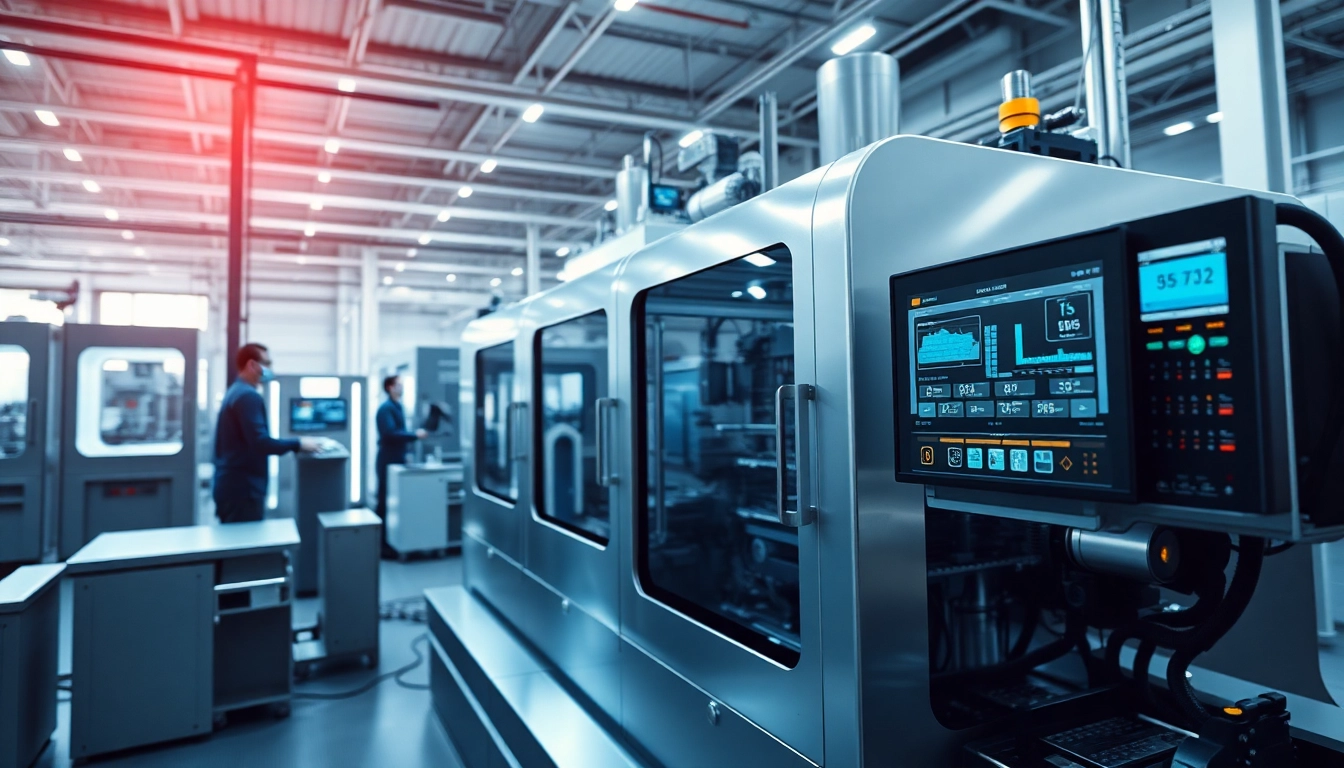
Understanding Injection Molding Machines
Injection molding machines are pivotal in modern manufacturing processes, enabling the mass production of a wide variety of plastic parts. They operate through a process where molten plastic is injected into molds to create complex shapes with high precision. From automotive components to consumer goods, the versatility of injection molding technology has revolutionized how products are made. For businesses exploring options in this space, Injection Molding Machine solutions offer comprehensive insights and options tailored for diverse manufacturing needs.
What is an Injection Molding Machine?
An injection molding machine, often referred to as an injection press, is a mechanical apparatus designed for producing plastic items via the injection molding process. The basic operation involves melting plastic pellets and injecting the liquefied plastic into a mold cavity under high pressure. Once cooled, the solidified parts are ejected from the mold, ready for further processing or assembly.
Key Components and Their Functions
Understanding the essential components of injection molding machines is crucial for evaluating their performance and capabilities. Key components include:
- Injection Unit: Responsible for melting and injecting the plastic material into the mold.
- Clamping Unit: Secures the mold in place during the injection process and opens to eject the finished product.
- Control System: Manages the various operations and parameters of the machine, ensuring precision and reliability.
- Mold: The cavity or hollow form that gives shape to the injected plastic material.
Types of Injection Molding Machines Available
Injection molding machines can be categorized based on their drive mechanism and the specific applications they serve. The primary types include:
- Hydraulic Injection Molding Machines: Utilize hydraulic systems to power the injection and clamping processes, known for their strength and efficiency.
- Electric Injection Molding Machines: Use electric motors for operation, resulting in energy efficiency, precision, and less environmental impact.
- Hybrid Injection Molding Machines: Combine hydraulic and electric systems, aiming to leverage the benefits of both technologies.
Benefits of Electric Injection Molding Machines
Electric injection molding machines have surged in popularity due to their myriad advantages. They offer significant benefits, particularly in terms of energy efficiency, precision manufacturing, and overall cost-effectiveness.
Energy Efficiency in Manufacturing
One of the standout features of electric injection molding machines is their energy efficiency. Traditional hydraulic machines can consume significant amounts of energy, especially during the idle times in the production cycle. Electric machines, on the other hand, use servo motors that draw power only when needed, resulting in lower energy consumption and cost savings over time. Manufacturers can experience energy savings of up to 80% compared to hydraulic machines.
Precision and Quality Control
Electric injection molding machines provide superior accuracy in the injection process. With advanced control systems, these machines can maintain consistent pressure, temperature, and speed rates during molding, minimizing defects and ensuring high-quality production. This precision is especially beneficial for producing intricate designs and complex geometries, making electric machines ideal for industries that demand high standards, such as electronics and medical devices.
Cost-Effectiveness Over Time
Although the initial investment for electric injection molding machines can be higher than hydraulic options, the long-term savings often outweigh these costs. Electric machines often have lower maintenance needs due to fewer moving parts and a cleaner operation environment, which translates into reduced downtime and repair costs. Additionally, their ability to process faster and produce more parts per hour can significantly boost overall production efficiency.
Key Features of Topstar Electric Injection Molding Machines
Topstar offers a robust lineup of electric injection molding machines, designed to meet a variety of industrial needs. The following series highlight some of the advanced features found in their machines.
TEII Series: All Electric Advantages
The TEII Series is a flagship offering from Topstar, designed for high efficiency and versatility. Key features include:
- High-Rigidity Clamping Units: These units stabilize the product and effectively protect molds, enhancing longevity and reliability.
- Modular Design: The injection unit can be adapted for various working conditions, making it suitable for different production scales.
- User-Friendly Interface: The interactive interface allows operators to manage functions easily, streamlining the production process.
TMII Series: Servo-Driven Precision
The TMII Series focuses on integrating multiple devices under a single control interface. This series features:
- Automatic Compensation Function: Ensures accurate mold opening positions, enhancing product quality.
- Real-Time Feedback: Provides immediate updates on the production status, enabling more agile responses during the manufacturing process.
- Robust Product Formation: Capable of producing complex items with precise dimensions in a single cycle, increasing efficiency and minimizing waste.
TH Series: Versatile Direct Press Applications
The TH Series is designed for larger applications, featuring a two-plate direct pressure center clamping structure. Main advantages include:
- Maximum Mold Opening Stroke: Facilitates the production of large-format and deep-cavity products.
- Standardized Platforms: Simplifies the adaptation to different production requirements, supporting both small and large batch runs.
- Automated Part-Picking Capability: Ideal for integration with robotics, enhancing operational efficiency in high-output environments.
Choosing the Right Injection Molding Machine for Your Needs
Selecting the optimal injection molding machine involves a comprehensive evaluation of several factors specific to your manufacturing context.
Assessing Production Volume Requirements
When determining the right machine, production volume is a crucial consideration. High-volume production typically benefits from fast and efficient machines like the TEII and TMII series, while lower volumes might find the TH series equally capable without unnecessary expense.
Understanding Material Compatibility
Different materials have unique properties and processing requirements. Ensure that the selected injection molding machine can accommodate the materials intended for production, whether they are standard thermoplastics or specialized compounds.
Evaluating Budget Constraints
While electric machines can have a higher upfront cost, consider the long-term savings they offer. Factor in energy savings, maintenance costs, and the potential for increased productivity when making your budget assessment.
The Future of Injection Molding: Trends and Innovations for 2025
As technology evolves, so does the injection molding industry. Here are key trends expected to shape the future of injection molding by 2025.
Adoption of Smart Manufacturing Technologies
The integration of Industry 4.0 technologies such as the Internet of Things (IoT) and artificial intelligence (AI) in injection molding machines is increasing. Smart machines equipped with sensors can provide real-time data, predictive maintenance alerts, and automated reporting, enabling manufacturers to enhance operational efficiency and decision-making.
Environmental Sustainability in Production
With growing environmental awareness, manufacturers are increasingly seeking sustainable production methods. This trend includes the use of eco-friendly materials, energy-efficient machines, and processes that minimize waste and emissions. Electric injection molding machines align with these goals by being energy efficient and minimizing material waste.
Emerging Applications and Market Opportunities
As new industries emerge and existing ones evolve, the demand for specialized injection molded products will continue to grow. Opportunities lie in sectors such as medical devices, electric vehicles, and consumer electronics. Companies that invest in innovative injection molding solutions can capture these market trends and position themselves for success.