
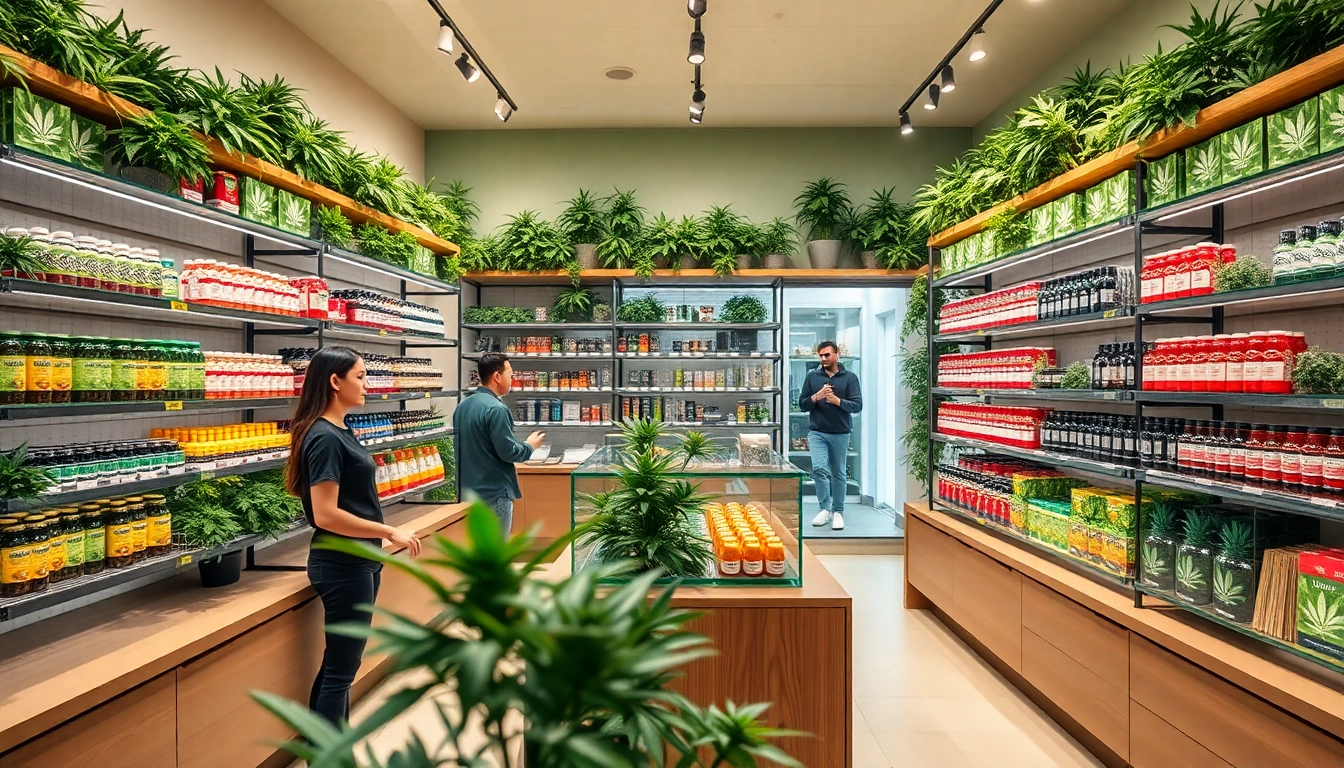
Understanding the Weed Store Landscape
As cannabis continues its journey toward mainstream acceptance, the Weed Store concept has evolved significantly. These stores, which sell various cannabis products, are transforming from niche outlets to fully integrated retail destinations that cater to a wide array of consumers. From medicinal users seeking relief to recreational customers enjoying the myriad products available, understanding the landscape is critical for making informed purchasing decisions.
Types of Weed Stores Available
The cannabis retail sector generally features two main types of stores: dispensaries and boutiques. Dispensaries often focus on medical or recreational cannabis products and are usually compliant with state regulations. They typically offer a broad range of products from flower to concentrates, edibles, and topicals.
On the other hand, cannabis boutiques may curate a more selective inventory, emphasizing premium, artisanal, or unique products. These boutique stores often aim to create a lifestyle brand around their product offerings, engaging customers through immersive shopping experiences rather than merely transactional interactions.
In addition to these traditional models, there are also specialty stores that focus exclusively on specific product categories, such as CBD products, or even catering to particular demographics like senior citizens or athletes. Each type of Weed Store serves to meet diverse consumer needs, thereby enriching the overall market landscape.
The Importance of Location for a Weed Store
The physical location of a Weed Store significantly impacts its success. Stores situated near urban centers often enjoy higher foot traffic, which can translate to increased sales. However, stores located in suburban or rural areas may capitalize on less competition and meet local needs more effectively.
Accessibility is another essential factor. A Weed Store should be readily reachable by public transport and have ample parking space for customers. This consideration is particularly advantageous in urban areas where parking can be limited.
Additionally, the surrounding community’s demographic influences store success. Understanding local preferences, interests, and trends helps a Weed Store tailor its product offerings, marketing strategies, and community involvement, enhancing customer retention and loyalty.
Legal Regulations Involving Weed Stores
Navigating the complex web of local, state, and federal regulations is crucial for any Weed Store. Legal landscapes vary significantly across regions, with some states having robust regulatory frameworks while others may still operate in a gray area.
Licensing is fundamental; every Weed Store must secure the correct permits to operate, which can vary in costs and requirements. Failure to comply can lead to hefty fines or closure. Furthermore, age restrictions play a significant role in the cannabis retail space, necessitating rigorous identification checks at the point of sale.
Additionally, advertising and marketing for cannabis products are also subject to strict regulations. Many jurisdictions limit how and where these products can be promoted; hence, Weed Stores must remain vigilant and adaptable to ever-changing laws to safeguard their operations.
Evaluating Product Quality at a Weed Store
Product quality is paramount when choosing a Weed Store. Consumers benefit from understanding how to evaluate the products presented to them, ensuring they make educated purchases that align with their consumption needs.
Identifying Top-Tier Cannabis Products
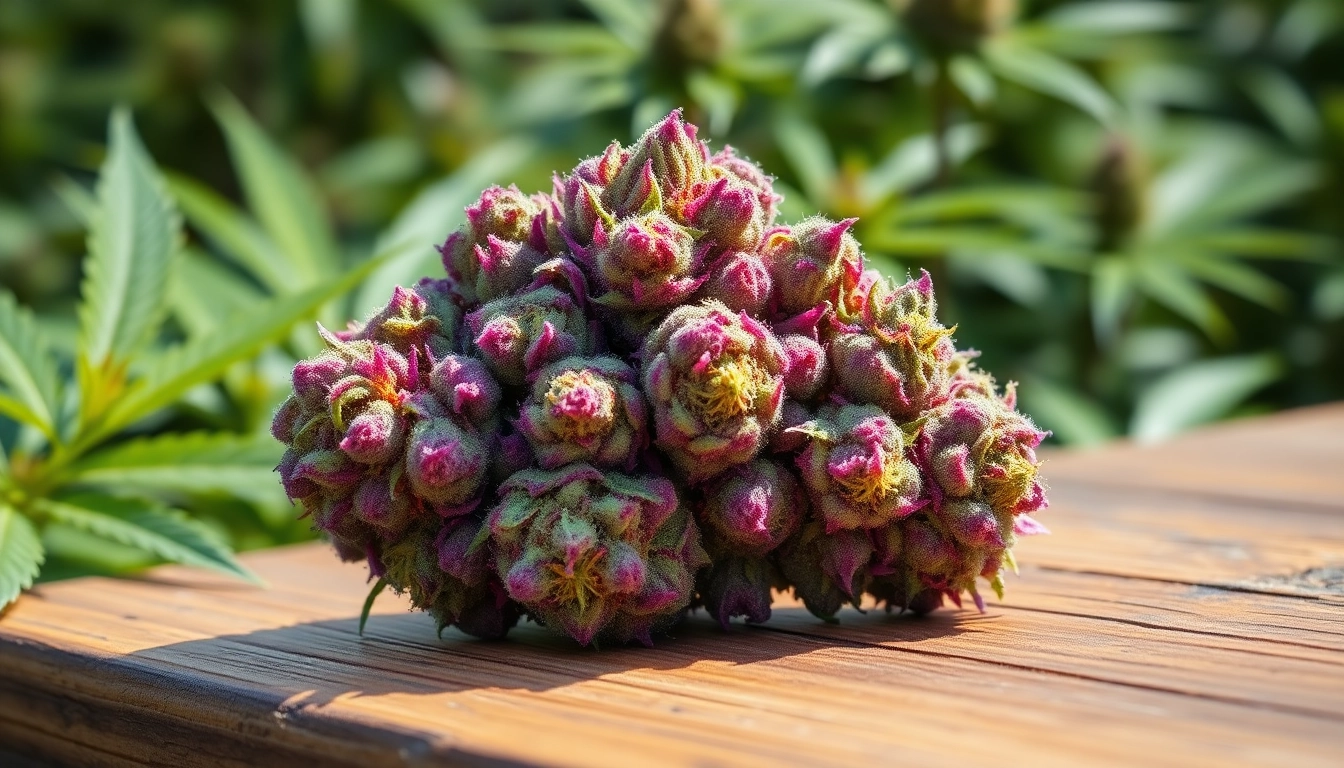
Top-tier cannabis products demonstrate superior quality, and identifying them involves recognizing various key indicators, such as origin, strain type, and harvest date. Knowing where the cannabis comes from can provide insight into its growing conditions and the methodologies used by producers.
Exploring strain types and their effects is also essential. Some strains offer uplift, while others may provide relaxation or pain relief. Consumers should look for reputable sources or brands that come highly recommended and have positive reviews.
Additionally, the store should offer a variety of products ranging from flowers and pre-rolls to edibles and vape cartridges, catering to different preferences and consumption methods. Assurance of product quality often comes from verified growers and brands that maintain consistency in their offerings.
Importance of Lab Testing in a Weed Store
Lab testing is a significant factor in evaluating cannabis quality. Products should undergo rigorous testing for potency and purity, ensuring they meet safety standards and provide the expected effects. Reliable Weed Stores will typically display lab results or Certificates of Analysis (COA) from independent laboratories.
Through lab testing, customers can verify levels of cannabinoids like THC and CBD, ensuring they meet their personal goals—whether seeking recreational enjoyment or medicinal efficacy. Additionally, testing for contaminants such as pesticides, heavy metals, and mold is imperative for consumer safety.
Consumers are encouraged to inquire about lab results when shopping at a Weed Store, as transparency reflects the store’s commitment to quality and safety.
Read Labels and Understand Potency
Accurate product labeling is crucial for consumer education. A well-informed customer knows how to interpret labels effectively. Customers should look for information on cannabinoid content, strain information, and any additional ingredients that may be present in edibles or concentrates.
Understanding potency is equally important. Potency refers to the concentration of cannabinoids in a product, expressed as a percentage. For new consumers, starting with lower-potency products can help gauge individual tolerance and minimize adverse effects.
Many Weed Stores provide staff trained to assist customers in deciphering labels to help ensure they find the right product for their needs.
The Role of Customer Service in a Weed Store
Exceptional customer service can elevate the shopping experience for patrons visiting a Weed Store. It is the cornerstone of building long-term customer relationships and fostering loyalty.
Creating a Welcoming Environment
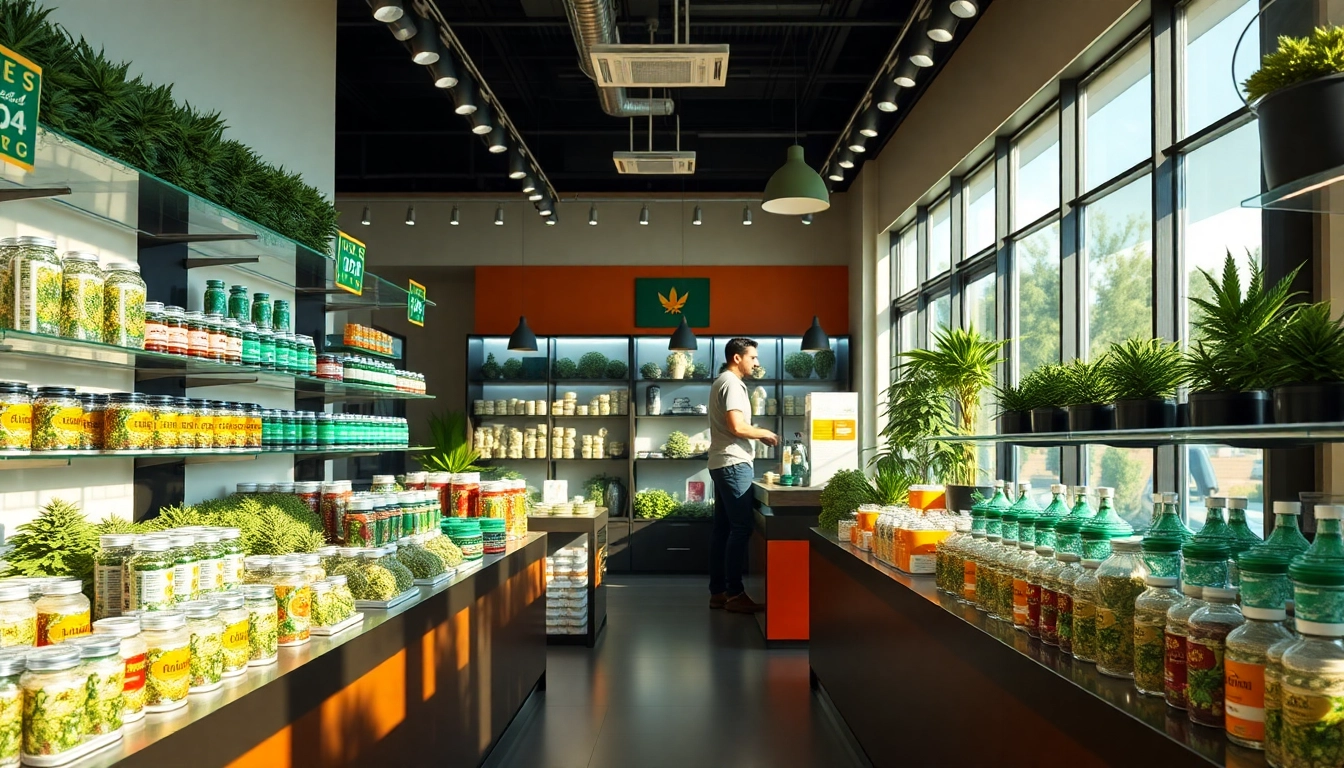
Upon entering a Weed Store, customers should feel welcome and comfortable. The atmosphere, layout, and design of the store can set the tone for a positive shopping experience. Factors such as cleanliness, organized displays, and ambient lighting contribute to the overall vibe.
Stores can establish a welcoming environment through friendly greetings from staff, informative signage, and by offering educational materials related to their products. Ensuring a non-judgmental space allows inexperienced customers to explore products without feeling intimidated.
Staff Knowledge and Guidance
Staff members should be well-trained in cannabis products and knowledgeable about their effects, uses, and benefits. Good customer service encompasses answering questions thoroughly and assisting patrons in selecting products that meet their expectations or concerns.
Offering educational resources such as brochures or hosting informational workshops can enhance customer engagement and help build a knowledgeable community around the Weed Store.
Building Customer Trust in Weed Stores
Trust is essential in any retail environment, and the cannabis industry is no exception. Customers are more likely to return to a Weed Store that has earned their trust by providing transparent information, quality products, and reliable service.
Feedback mechanisms such as reviews, surveys, or regular follow-ups can help consumers feel valued and heard. A Weed Store that prioritizes customer feedback and actively makes improvements based on it cultivates loyalty and community goodwill.
Shopping Experience in a Weed Store
The shopping experience within a Weed Store directly influences customer satisfaction. By focusing on both the in-store experience and the convenience of online shopping, stores can cater to a wide range of preferences.
In-Store Layout and Navigation
The layout of a Weed Store should facilitate easy navigation. Proper zoning for different product types—flowers, edibles, oils—creates a logical flow that minimizes customer confusion. Clear signage can lead customers through the store effectively, ensuring they can find what they need with ease.
Moreover, interactive or educational displays can engage customers and offer insights into products, enhancing their experience while providing valuable information.
Online Ordering vs. In-Person Shopping at a Weed Store
With the rise of e-commerce, many Weed Stores have expanded their services to include online ordering for delivery or curbside pickup. This convenience allows customers to browse at their leisure, compare products, and make informed decisions before arriving at the store.
However, in-person shopping remains advantageous for those seeking immediate gratification or hoping to consult with knowledgeable staff. Merging both online and offline experiences fosters flexibility, ensuring customers can choose whichever method better suits their needs.
Expectations for Checkout Experience
A streamlined and efficient checkout process enhances the customer experience within a Weed Store. Speedy service allows consumers to complete their transactions quickly, while also providing opportunities for customer engagement.
Accepting multiple payment methods is essential, as some consumers may prefer cash, while others will opt for cards or digital payments. A seamless checkout experience caters to the diverse preferences of today’s shopper.
Trends and Innovations in the Weed Store Industry
Innovation and trends shape the landscape of the cannabis retail industry. Staying informed about these shifts is vital for both consumers and business owners alike.
Impact of Technology on Weed Stores
Technology is transforming how Weed Stores operate and deliver customer value. Enhanced point-of-sale systems streamline transactions, while robust inventory management systems ensure stock levels meet consumer demands efficiently.
Mobile applications are emerging as key tools for customer engagement, offering features such as loyalty programs, personalized recommendations, and easy online ordering. Innovative technologies like augmented reality (AR) are helping enhance the shopping experience, providing interactive experiences that engage consumers beyond traditional methods.
Popular Cannabis Products and Emerging Trends
As consumer preferences evolve, so does the product landscape in the cannabis industry. Edibles continue to gain prominence, appealing to those seeking discreet and enjoyable consumption methods. Innovations in cannabis-infused beverages can attract new demographics, marking a trend toward versatile product offerings.
Furthermore, sustainability is becoming a leading factor in consumer purchasing decisions, driving companies to adopt eco-friendly practices in sourcing, packaging, and transportation.
Future Outlook for Weed Stores
The cannabis retail sector is poised for growth as legislation continues to evolve and more states move toward legalization. Emerging markets present opportunities for new Weed Stores to enter and expand their footprints.
Collaboration within the industry, along with investments in brand development and consumer education, will be critical in establishing a trusted marketplace. The dynamic nature of the Weed Store encourages continued adaptation to meet changing consumer preferences and regulatory landscapes, ensuring a bright future ahead.




Leave a Reply