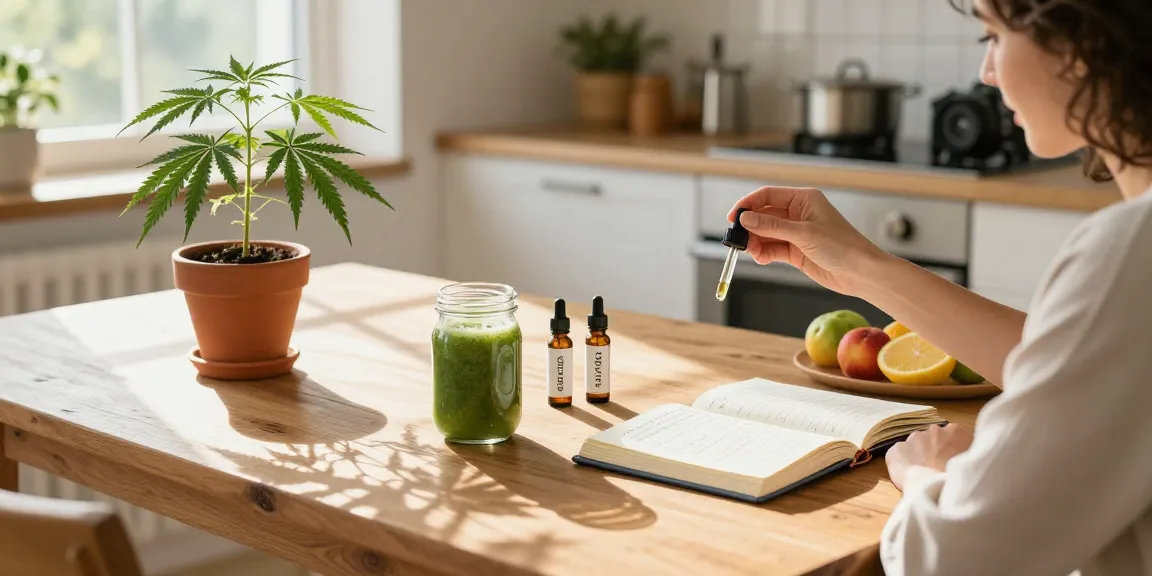
Understanding THC Edibles: What You Need to Know
THC edibles have become increasingly popular in the wellness community, providing a unique way to experience the effects of THC. These products, often in the form of gummies, chocolates, or baked goods, offer a discreet and enjoyable method for consumption. Unlike traditional smoking or vaping methods, which deliver cannabinoids directly into the bloodstream, edibles undergo a digestive process that can affect how THC is metabolized and felt by the user. As consumers explore trolli candy and other edible options, understanding the science behind their effects is essential for safe and effective use.
What are THC Edibles?
THC edibles are food products infused with tetrahydrocannabinol (THC), the psychoactive component of cannabis. They come in various forms, including gummies, chocolates, beverages, and baked goods. The key benefit of these edibles is their ability to provide a longer-lasting experience compared to other consumption methods, as the effects can linger for hours. THC binds to the body’s cannabinoid receptors after being metabolized, leading to its effects on mood, sensation, and perception.
How Do Edibles Differ from Other Consumption Methods?
The most significant difference between edibles and other consumption methods, like vaping or smoking, lies in how THC is absorbed into the bloodstream. When THC is ingested, it passes through the digestive system and is broken down by the liver, where it is converted into 11-hydroxy-THC—a potent metabolite that can produce more intense effects compared to delta-9-THC found in smoke. This process can lead to a delayed onset of effects, typically ranging from 45 minutes to 2 hours.
The Science Behind Edible THC: Absorption and Effects
The absorption rate and duration of effects from THC edibles are crucial parameters for users to understand. Unlike inhaled cannabis, where effects may be felt almost instantaneously, the onset time for edibles can be significantly delayed. Factors such as individual metabolism, body weight, and whether one has eaten prior to consuming can all influence this process. After ingestion, users may experience effects for anywhere from 4 to 8 hours, making them ideal for extended relief in wellness routines or recreational use. It is essential to allow adequate time between servings to avoid excessive dosing.
Benefits of THC Edibles for Wellness
Pain Relief and Anti-Inflammatory Properties
THC edibles can offer significant relief for those suffering from chronic pain and inflammation. Research has shown that cannabinoids can modulate pain signaling in the endocannabinoid system, providing a natural alternative to traditional pain medications. Many users report improved comfort levels and reduced inflammation through consistent edible use, contributing positively to their overall wellness.
Relaxation and Stress Relief Benefits
The relaxing properties of THC are well documented, making edibles a popular choice for those looking to unwind after a long day. Many users cite enhanced feelings of relaxation and decreased anxiety following their consumption. This effect is beneficial for individuals struggling with high levels of stress or anxiety, as it can contribute to a more balanced mental state.
Potential for Improved Sleep Quality
Insomnia is a common complaint in today’s fast-paced society, and THC edibles may represent a viable solution for overcome sleep issues. The sedative effects of THC can help users fall asleep faster and maintain longer sleep intervals. In combination with a healthy sleep environment and routines, edibles could significantly enhance sleep quality for those seeking natural remedies for insomnia.
Choosing the Right THC Edibles: Dosage and Consumption
Starting Low and Going Slow: Safe Dosage Guidelines
When consuming THC edibles, the golden rule is to "start low and go slow." For beginners, it is advisable to begin with doses between 5 to 10 mg of THC per serving. Understanding personal tolerance levels is essential, as everyone's reaction to THC can vary considerably. Edibles can be divided for more precise dosing, allowing users to tailor their experience to meet their comfort levels.
How to Evaluate Your Tolerance
Evaluating your tolerance involves being mindful of how your body reacts to THC. Consider factors such as body weight, metabolism, and previous cannabis experience. Chronic users may require higher doses to achieve the desired effects, while novices should remain cautious. It's advisable to keep a journal of experiences to assist in adjusting dosages effectively over time.
Timing: When to Expect Effects from Edibles
Timing is critical when it comes to edibles. Users should be prepared for a delayed onset of effects, given that edibles need time to be digested and metabolized. It is recommended to wait at least two hours after consuming before trying another serving to prevent unintentional overconsumption. Many users prefer to incorporate their edibles into their evening routines to unwind and prepare for restful sleep.
Quality and Safety: What to Look For in Edibles
Understanding Lab Reports and COAs
Quality assurance in the cannabis industry is paramount. Consumers should always look for products with clear lab reports and Certificates of Analysis (COAs). These documents provide valuable information about the product's potency and confirm the absence of contaminants such as pesticides and heavy metals. Knowing how to read these reports can empower consumers to make informed choices about their edibles.
Sourcing and Transparency in Edible Production
Transparency in sourcing is crucial for consumers interested in quality and safety. Reputable brands should provide information about their sourcing practices, including whether they utilize organic hemp and sustainable farming methods. This transparency can have a direct impact on the quality of the end product, enhancing consumer trust.
Identifying Safe and Trusted Brands
Identifying trusted brands in the edibles market can significantly influence the experience and outcomes of using THC products. Researching brands, reading customer reviews, and looking for third-party testing can aid consumers in making informed choices. Brands that adhere to Good Manufacturing Practices (GMP) and are open about their production processes are typically safer choices.
Storage and Shelf Life of THC Edibles
Best Practices for Storing Edibles
Proper storage is critical to maintaining the potency and freshness of THC edibles. Users should store their gummies and other edible products in a cool, dry environment, ideally in their original packaging or in airtight containers. Keeping edibles away from direct sunlight and heat can help preserve their quality over time.
Indicators of Quality and Freshness Over Time
Recognizing signs of spoilage or degradation in edibles is essential. Signs such as changes in texture, smell, or appearance may indicate that a product has gone bad. Edibles with a longer shelf life may still lose potency over time, underscoring the importance of checking expiration dates and storage conditions regularly.
Legal Considerations in the UK for THC Edibles in 2026
The legal landscape around THC edibles in the UK is continuously evolving. As of 2026, consumers must be aware of the legal implications of purchasing and using THC products. The UK government has set specific regulations regarding THC content in edibles, and staying informed can ensure compliance with local laws. Additionally, it’s essential to understand the implications of the 2018 Farm Bill, which changed the hemp legislation globally.
What are the Effects of Different Edible Dosages?
The effects of THC edibles can vary significantly based on dosage. Lower doses generally promote a mellow experience, while higher doses can result in pronounced psychoactive effects. Understanding how to titrate dosages can help users find their sweet spot for enjoyment while minimizing discomfort or unwanted side effects.
Are Trolli Candy Gummies Safe for First-Time Users?
Trolli candy gummies, being a well-known brand in the edible market, are often considered a safe option for first-time users when taken in moderation. Their convenient dosing and enticing flavors can help alleviate concerns about trying cannabis at the first go. As with any edible, novices should adhere to the "start low, go slow" approach to gauge their free tolerance effectively.
How to Incorporate THC Edibles into a Wellness Routine?
Incorporating THC edibles into a wellness routine can enhance relaxation and stress relief. Users may want to designate times throughout their day to wind down, such as before bedtime or after a workout. This timing can maximize the benefits of using edibles and allow for a more mindful approach to wellbeing.
What are the Differences Between THC and CBD Edibles?
While both THC and CBD edibles offer therapeutic benefits, they produce different effects. THC edibles can result in psychoactive experiences, making them more suitable for relaxation, pain relief, and potential sleep enhancement. In contrast, CBD edibles are often pursued for their calming and anti-inflammatory properties without the high, making them a preferred choice for those seeking relief without psychoactive effects.
Are There Any Side Effects to be Aware of?
While many users enjoy THC edibles with few issues, potential side effects can occur. These may include drowsiness, dry mouth, and hunger pangs, commonly referred to as "the munchies." Additionally, individuals using blood thinners or certain medications should consult healthcare professionals before starting THC edibles due to potential drug interactions. As with any wellness product, individual reactions can vary.